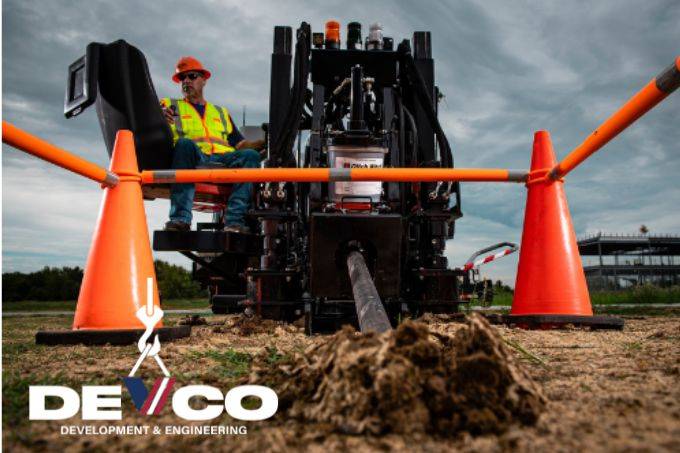
Turning Vertical into Lateral: A Transformation of Navigational Boring
Directional drilling techniques has become as a transformative technique in the areas of building and utility installation, modifying the approach we approach infrastructural growth. No longer do we see when trenching through streets was the usual practice for laying cables and lines. In the modern era, directional drilling provides a more efficient and sustainable alternative, utilizing state-of-the-art technology to minimize disturbance to the surface while optimizing the effectiveness of the installation process.
This article explores the progress of directional boring, highlighting its various benefits for modern infrastructure. We will explore the nuances of horizontal drilling, offering a thorough guide to its uses, tools, and the issues that may happen during operations. Whether for fiber optics, gas pipelines, or renewable energy infrastructure, grasping the techniques of directional drilling is crucial for positive results in city and environmentally sensitive areas. Follow us as we delve into the advancements in this sector and uncover why directional drilling is at the cutting edge of trenchless innovations.
Key Benefits of Directional Drilling
Directional drilling offers many advantages that substantially enhance the effectiveness of utility installation projects. One of the main benefits is its ability to lessen topside disruption. Differing from traditional trenching methods, which can cause significant damage to roads, landforms, and existing infrastructure, directional drilling allows for underground installations with reduced influence on the surface environment. This is notably valuable in urban areas where maintaining surface stability is important for traffic flow and public safety.
Another important benefit is the improved precision and versatility in bore path design. Directional drilling enables contractors to move around obstacles such as existing services, large foundations, and environmentally sensitive areas. This versatility not only facilitates the installation process but also lessens the need for highly priced rework or alterations that are often necessary in conventional trenching projects. The technology allows for achieving optimal bore paths, resulting in smoother installations and enhanced project outcomes.
Moreover, directional drilling contributes to significant time and cost savings. By limiting the amount of digging necessary, projects can be completed more quickly and with lower labor hours, leading to lower overall expenses. Moreover, the efficient use of resources and reduced restoration work needed after the installation further demonstrates the monetary benefits of embracing directional drilling techniques. As urban infrastructure continues to grow, these advantages position directional drilling as a leading choice for modern utility installations.
Issues and Answers in Directional Boreholes
Horizontal boring presents particular difficulties that can affect operation productivity and security. One frequent challenge is facing unexpected ground situations, such as solid rock or compromised soil, which can hinder the boring process. To address this, thorough pre-drilling site evaluations, including geotechnical surveys, are necessary. Using cutting-edge boring technology equipped with real-time data monitoring can also help adjust methods on the go, guaranteeing the operation remains on schedule.
Another notable challenge is keeping accurate drill path design, as divergences can lead to increased costs and task delays. The fix lies in employing advanced steering and tracking systems that provide accurate feedback on the drill's position. Integrating advanced software for drill path planning can enhance the accuracy of the boring trajectory, reducing the probability of misalignment and ensuring the project meets its standards.
Safety factors also play a key role in horizontal drilling operations. The potential for equipment failure or accidents can pose threats to employees and the adjacent environment. Adopting extensive safety guidelines, including regular tool inspections and training for operators, is vital. Additionally, using premium drilling fluids can help prevent equipment issues, providing better flow and cooling during the boring process while further ensuring safety and effectiveness.
Future Developments in Directional Borehole Tech
As deviated borehole tech evolves, the embrace of precision and automated systems is set to revolutionize the field. Advanced software and data analytics are increasingly being incorporated into borehole operations, allowing for real-time monitoring and control. This transition toward automated systems not only enhances accuracy in drilling trajectory design but also improves efficiency by minimizing human error. https://gmaccontractors.com/best-horizontal-directional-drilling-ireland/ can leverage information to refine drilling parameters and make informed decisions on-the-fly, leading to safer and more effective projects.
Another significant trend is the creation of more sustainable green drilling fluids and substances. As the emphasis on sustainability grows, the sector is reacting by creating degradable and safe borehole fluids. These innovations help reduce the ecological footprint of borehole processes while maintaining high-quality performance. Additionally, the increased emphasis on eco-friendly practices promotes greater acceptance of deviated drilling methods in protected areas, further broadening its uses across the infrastructure installation landscape.
Finally, the integration of renewable energy projects with directional borehole is anticipated to increase. Harnessing the capabilities of HDD for installations related to renewable energy will play a key role in modern facility development. This connection not only aligns with global efforts towards sustainable energy solutions but also opens new opportunities for directional contractors. As the demand for renewable power solutions rises, so will the requirement for efficient and low-impact implementation techniques, solidifying the position of directional borehole in developing the framework of the coming years.