Pipe Disaster: 10 Unforgettable Methods to Unclog Your Sinks
Clogged pipes may turn your everyday schedule inside out, leading in irritating delays and clutter that not a soul cares to handle. Whether it’s the kitchen sink refusing to empty after preparing dinner or the shower in the bathroom overflowing during your busy morning, these household nuisances can snowball quickly. Understanding how to address these issues properly and without risk is essential for all property owner.
In this article, we will discuss ten remarkable methods to clear your drains, providing practical solutions and proactive tips to ensure your drains flowing freely. From comprehending the usual causes of clogs to finding out how to upkeep your plumbing, you will obtain valuable insights that empower you to take command of your household’s draining. Let's dive into the effective steps you can utilize to avoid the headache of clogged pipes and secure a better drainage in your everyday life.
Frequent Reasons and Prevention of Blocked Drains
Clogged drains are a frequent home problem usually caused by the accumulation of debris over time. Hair, soap residue, food particles, and grease are among the most frequent offenders. In kitchens, fat accumulates slowly as it lines the insides of the plumbing, leading to lazy water flow and eventually total blockages. In bathroom sinks and shower stalls, hair mixing with residue creates persistent blockages that can be challenging to remove. Identifying these causes is the initial action in preventing more significant problems.
To prevent blockages before they occur, consistent upkeep is essential. For kitchens, getting rid of fat correctly instead of pouring it down the drain can make a huge impact. Using screens or catchers can catch bits of food and strands before they get into the drainage system. In addition, routine cleaning of pipes with hot water and natural mixtures like vinegar and sodium bicarbonate helps break down buildup, promoting smooth water flow. Understanding the factors contributing to clogs allows property owners to implement preventive measures.
Overlooking the signs of slow drains can lead to worse problems down the road. Homeowners should remain vigilant about the early warning signs, such as water draining slowly or odd noises. By periodically inspecting and upkeeping pipes, which includes using drain cleaners from time to time, the risk of encountering a major blockage is reduced significantly. Educating oneself about common causes and applying preventive strategies can assist keep drainage systems flowing freely and avoid costly repairs.
Do-It-Yourself Methods for Clearing Your Sinks
When faced with a blocked sink, many homeowners prefer to tackle the problem themselves before calling in a professional. One of the simplest methods is to use a combination of soda and vinegar. Pour half a cup of baking soda, then half a cup of vinegar. Allow the mixture to bubble for about 15 to 30 minutes, then rinse the drain with hot water. This natural remedy can help break down small clogs caused by grease, soap scum, and other debris without damaging your pipes.
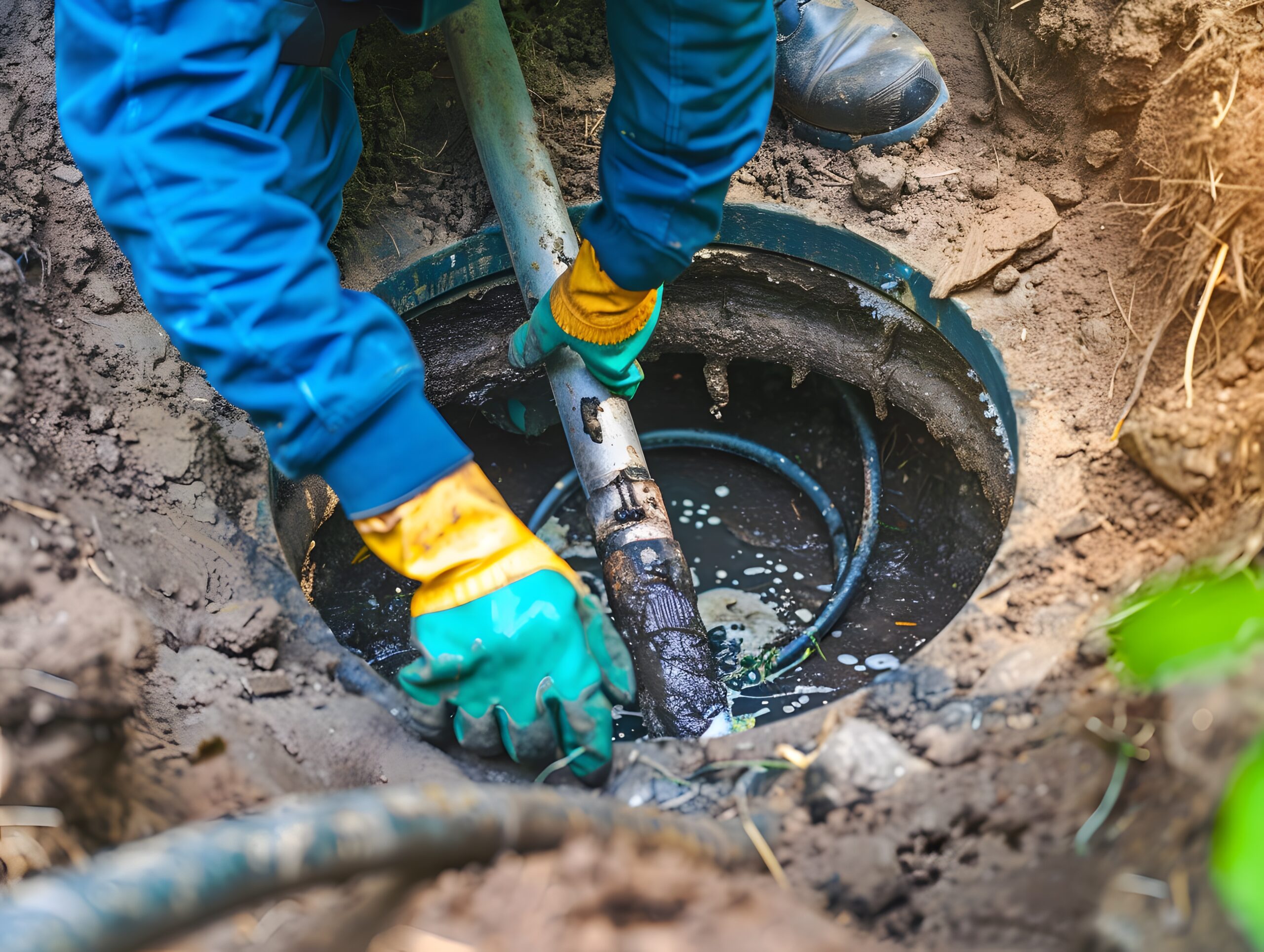
Another effective DIY method involves using a plunger. Make sure there is a little water in the sink to create a tight seal. Position the plunger over the drain and give it several firm thrusts. The pressure created can help dislodge the blockage. If the clog doesn’t clear after a few attempts, you might need to try taking out the sink trap to clean out any buildup manually. Be sure to place a bucket underneath to catch any water that spills out.
If your blockage is particularly difficult, a drain snake can be a valuable tool. This flexible auger can reach deep into the drain and dislodge or retrieve the materials causing the blockage. Just insert the snake into the drain, rotating it to navigate around bends and get through clogs. Once you feel a blockage, crank the handle to catch the blockage, then pull it out. After using the snake, always rinse the drain with hot water to ensure any leftover debris is washed away.
When to Call a Professional for Drain Issues
If you have tried various DIY techniques to unclog a clogged drain without success, it might be the right time to reach out to a professional. Ongoing clogs may indicate deeper issues within your pipes that common home remedies are unable to resolve. Signs that you should seek professional help are several drains clogging simultaneously, recurring clogs, or if you notice an unusual smell emanating from your drains. These signals could suggest a major blockage or a larger plumbing issue that requires professional assessment.
Another reason to contact a plumber is when your efforts pose potential risks to your plumbing. Using chemical drain cleaners can sometimes lead to damage, leading to pipe damage or causing corrosive buildup. Experts are equipped with specialized tools and knowledge that enable them to diagnose and address the root cause of the situation efficiently and safely. It's essential to entrust complicated plumbing problems to those who understand the systems thoroughly.
In conclusion, if your drains show slow drainage or gurgling sounds on a regular basis, it's wise to consult a plumber. Click here for info warning signs often precede serious problems and could suggest an underlying issue like tree root intrusion or significant buildup. By tackling these concerns with professional assistance, you can avoid expensive repairs in the future and maintain the health of your plumbing system. Routine professional maintenance also keeps your drains continue to function smoothly and efficiently over time.