Ground Penetrating Radar Uncovered: Changing Below-Surface Research
Ground Penetrating Radar is transforming the way subsurface investigations are conducted across various industries. As https://groundpenetratingradarsurveyslondon.co.uk/ grow in complexity and environmental concerns rise, the need for sophisticated techniques to reveal hidden utilities, infrastructures, and geological features has never been more pressing. This article delves into the importance of Ground Penetrating Surveys, offering a thorough guide for beginners while exploring the cutting-edge applications of this technology in construction, archaeology, environmental assessments, and other fields.
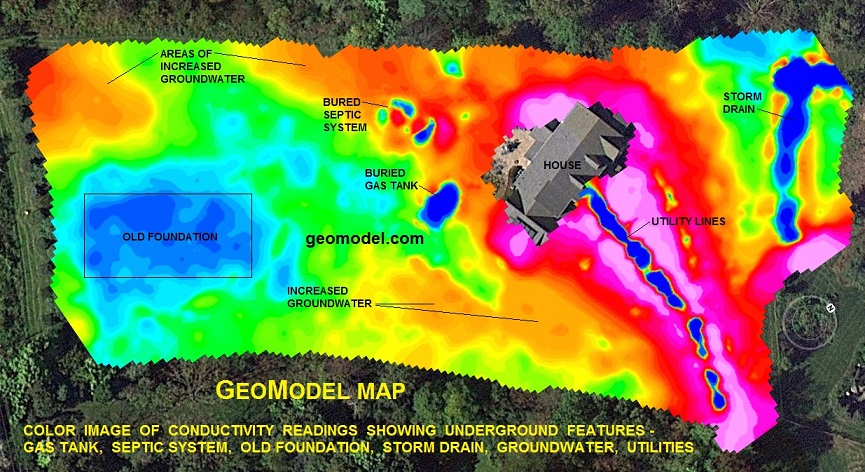
In the realm of construction and infrastructure development, knowing what lies beneath the surface is crucial. Ground Penetrating Surveys not only help avoid costly delays by detecting underground features before excavation starts but also enhance safety and efficiency on job sites. With municipalities and property developers more and more relying on these surveys, it is crucial to grasp their benefits and the technology behind them. Join us as we reveal the essential role of GPR in modern subsurface investigations and highlight the numerous advantages it offers to various sectors. spintax ### Comprehending Ground Penetrating Radar Surveys
GPR, or GPR, are non-invasive geophysical methods that use high-frequency radar pulses to map the beneath the surface. This technology allows for the detection and identification of various subsurface structures, items, and changes in composition properties without the need for digging. GPR systems emit radar waves into the ground, which are reflected back to the surface by different subsurface features. The data collected is then analyzed to create comprehensive visuals that can guide decision-making for construction, environmental assessments, and archaeological investigations.
One of the primary advantages of Ground Penetrating Surveys is their ability to provide immediate data, improving the efficiency of subsurface investigations. Unlike traditional methods, GPR can quickly identify the existence of services, voids, and various anomalies, reducing the risk of unforeseen complications during building projects. This capability is particularly beneficial for real estate developers and builders, as it allows them to make knowledgeable decisions based on precise subsurface information, ultimately leading to more secure and enhanced effective planning.
Moreover, the applications of GPR span across various industries, including construction, ecological assessments, and archaeology. In building, they play a vital role in protecting underground services and promoting safe digging practices. As local governments increasingly depend on GPR for accurate subsurface mapping, the method continues to progress, becoming an essential tool for modern construction and development, thereby transforming how we explore and comprehend what lies beneath the surface.
Benefits of Ground Penetrating Surveys
Ground penetrating surveys offer a number of advantages that substantially improve subsurface investigations. One of the main benefits is the ability to obtain live, sharp pictures of the underground structure without disrupting the top layer. This non-intrusive method facilitates engineers and construction professionals to detect the existence of utilities, voids, and other below surface characteristics, reducing the likelihood of problems during excavation. Consequently, utilizing GPR assists accelerate project planning and delivery, ensuring a more efficient operation.
Another key benefit is the decrease of costs associated with construction delays and unforeseen fix-ups. By carrying out a ground penetrating survey before excavation, project teams can uncover hidden obstacles and correctly determine the site conditions. This insight can avoid costly damage to utilities and reduce the need for emergency intervention, ultimately saving hours and resources for the overall project. The investment in GPR technology often returns by enhancing efficiency in operations and reducing financial risks.
Additionally, ground penetrating surveys enhance security on construction locations. By correctly mapping subsurface aspects, construction workers can organize their digging practices more efficiently and avoid hazards associated with unknown underground conditions. This preventive approach ensures that workers are safeguarded against potential incidents, reinforcing the value of this technology in promoting workplace safety. As a consequence, ground penetrating surveys not only contribute to the achievement of projects but also foster a safer working atmosphere for all involved.
Applications In Sectors
Ground penetrating surveys have become an essential resource throughout various sectors, offering essential data for multiple applications. In the construction sector, GPR is employed to detect underground utilities, guaranteeing that projects proceed without unexpected interruptions. This method helps excavators find utility lines, cables, and other important infrastructure before breaking ground, thereby enhancing safety and productivity. Moreover, its capacity to investigate sites for gaps and anomalies aids engineering analyses, permitting engineers to tackle potential issues early on.
In archaeological studies, ground penetrating surveys uncover hidden artifacts and historical elements that lie under the surface. This non-invasive technique allows researchers to explore sites without disruptive digging, preserving the integrity of these valuable areas. By mapping subsurface structures, archaeologists can formulate informed plans for excavation, ensuring that noteworthy findings are not missed and offering a clearer picture of past civilizations.
Environmental organizations also employ ground penetrating surveys in environmental studies and hazard evaluations. GPR helps in locating hazardous materials, evaluating landfill sites, and tracking the migration of contaminants in soil and groundwater. This function plays a important role in restoration projects, aiding to guarantee public safety and compliance with regulatory standards while also aiding in the design of renewable energy projects by assessing subsurface conditions efficiently.