Construction Success: Perspectives from Market Leaders
In the bustling world of industrial construction, scaffolding plays a crucial role in making sure that construction projects are finished effectively and securely. As the foundations of numerous massive structures, commercial scaffolders are the silent champions who provide the necessary support for workers and materials at various heights. Their skills not only supports smooth operations on job sites but also ensures the utmost safety standards that protect all involved. As we delve into this field, it becomes evident just how important commercial scaffolders are to the achievement of construction projects.
Ranging from high-rise buildings to complex renovation works, the responsibilities of commercial scaffolders are broad and diverse. Understanding what industry scaffolders do and the impact they have on construction project efficiency sheds light on their significance in the construction ecosystem. In this article, we will investigate various aspects of commercial scaffolding, including safety regulations, kinds of scaffold systems, and key qualities to look for when hiring a scaffolding company. We will also discuss recent innovations in the field and talk about the ecological advantages of modern scaffolding systems. Join Look at this website as we uncover insights from industry leaders that illustrate how scaffolding is integral to the future of commercial construction.
Grasping the Role of Commercial Scaffolders
Industrial scaffolders hold a crucial part in the building industry by providing temporary structures that hold up workers and materials at varying heights. Their chief responsibility is to make certain that scaffolding systems are created, constructed, and taken down following the specified safety standards. This entails understanding the specific requirements of every project, whether it’s a skyscraper building or a renovation, and choosing the correct scaffolding type to make certain the security and efficiency of the work being done.
In addition to arranging scaffolding, industrial scaffolders are also responsible for performing routine inspections to confirm that the structures stay secure throughout the length of the project. This involves inspecting for any damages, wear and tear, and adherence with safety regulations. By maintaining high standards of safety and organization, scaffolders help to lower the risks associated with working at heights, which is vital in stopping accidents and ensuring that construction projects are completed on time.
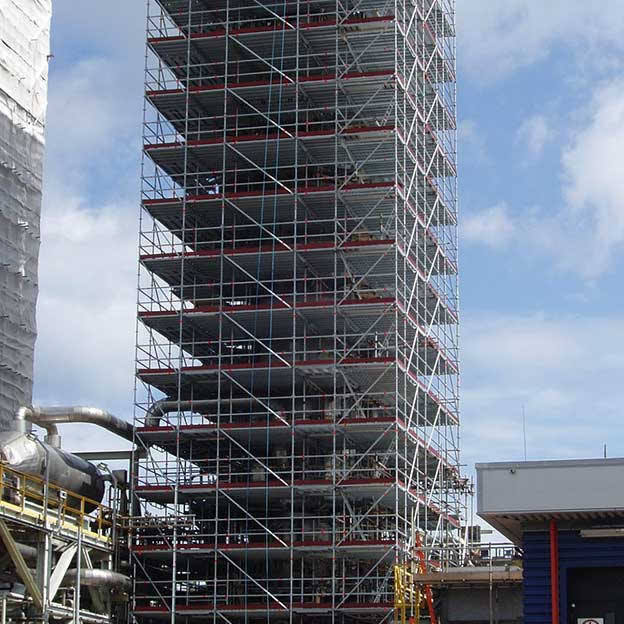
Additionally, the knowledge of industrial scaffolders extends to cooperating with other crafts and construction experts. They need to communicate effectively with construction managers, architects, and project owners to ensure that the scaffolding solutions not only meet safety requirements but also align with the operational needs of the project. This collaboration is vital for streamlining processes and enhancing overall project efficiency, making scaffolders an essential part of every commercial construction team.
Security Standards and Rules in Scaffold Construction
Safety regulations and guidelines are critical in the scaffold sector to protect workers and guarantee project success. Regulatory bodies, such as the OSHA in the United States, provide detailed guidelines that define the requirements for scaffolding design, building, and maintenance. These rules are designed to minimize risks related to falls and collapses, emphasizing the significance of compliance in all scaffolding project.
Professional scaffolders must acquaint themselves with multiple safety standards, including load capacity limits and inspection protocols. Frequent checks ensure that scaffolding structures stay safe during the entirety of a job. Scaffolders should also implement safety measures such as safety rails, harnesses, and safety nets, establishing a secure working environment for every personnel working on-site. Compliance to these guidelines not only improves safety but also increases the overall efficiency of construction processes.
Moreover, the ongoing revision of safety guidelines is crucial to accommodate advancements in technology and changing building methods. Commercial scaffolders must keep up-to-date about the newest developments in scaffolding safety to ensure compliance and prevent legal issues. By prioritizing safety measures and regulations, scaffolders can help to a environment of safety on industrial construction sites, ultimately successful project outcomes.
Selecting and Recruiting Qualified Scaffolders
When selecting a business scaffolding company, it is crucial to evaluate their expertise and credibility in the industry. Search for companies that have a proven track record of effective projects and content clients. Checking online reviews, testimonials, and references can give valuable insights into the standard of service you can expect. Additionally, take into account their background with certain types of scaffolding systems that you require for your project, whether it be classic tube and fitting scaffolding or more advanced system scaffolding.
Security should be a top priority when engaging scaffolders. Ensure that the company complies with all applicable safety standards and requirements. This includes the proper training of their workforce in safe scaffolding practices and periodic inspections of equipment. A reputable scaffolding company will offer evidence demonstrating their devotion to safety, such as certifications and safety records. It’s also wise to ask about their safety protocols and how they handle any problems on site.
Lastly, review pricing and project timelines in advance to avoid any surprises later on. While cost is an essential factor, it should not be the sole decision-maker; prioritize the standard and trustworthiness of the service. Request detailed quotes and clarify any applicable additional costs. Open and open communication between you and the scaffolding company will help establish a strong partnership, ensuring that your project continues efficiently and is finished on time.