Car Remapping Myths Debunked: Essential Information You Should Be Aware Of
In the world of automotive performance, car remapping has emerged as a well-known technique to boost engine performance and enhance the driving experience. Yet, with its surge in popularity, a myriad of myths and confusions have followed, leaving many car owners perplexed about what remapping truly entails. This write-up seeks to explain the truth behind car remapping, helping you distinguish fact from fiction as we explore the mechanics, benefits, and risks of this modification process.
Whether you're looking to boost your vehicle’s performance, improve fuel efficiency, or just comprehend what remapping means for your car, it's essential to have accurate information at your ready. From the science behind how remapping works to the safety issues and legal implications, we will tackle the questions you might have and equip you with the knowledge required to make wise choices about your vehicle. Stay with us as we prove wrong the myths surrounding car remapping and uncover what you really need to know.
Grasping Car Remapping
Automobile remapping refers to the procedure of modifying the car's ECU program to optimize its performance. This includes changing multiple settings including fuel injection timing, air-fuel ratios, and boost pressure. By reprogramming the current program, a reprogramming can increase power outputs, boost throttle response, and in the end deliver a better driving feel. This customization can be adjusted to fit individual driver's needs and driving conditions.
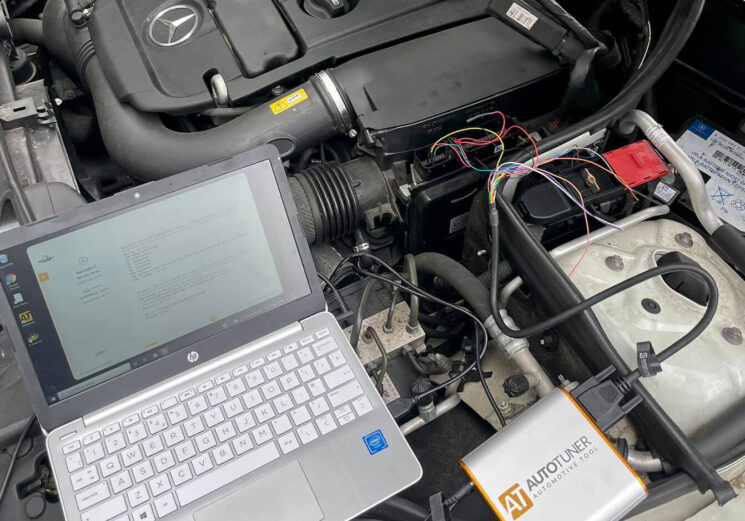
The process generally involves linking a diagnostic tool to the ECU, which communicates with the vehicle's onboard computer. Once connected, the expert retrieves the existing program, which can be modified using specialized tuning software. Many drivers prefer custom maps that take into account modifications made to the vehicle, such as upgraded exhaust systems or modified air intakes, enabling a more customized performance boost.
While car remapping is generally viewed a reliable and efficient way to enhance the performance of a vehicle, it is important to consider it with caution. Not all tuning services are created equal, and employing standardized maps can lead to less than ideal results or even possible engine damage. Therefore, comprehending the details of the remapping process, such as what to expect in terms of boost in performance and any effects for vehicle warranty, is vital for any vehicle owner thinking about this tweak.
Advantages and Risks of Remapping
Car remapping can offer various benefits, particularly in terms of improving vehicle performance. By modifying the engine's ECU settings, drivers can experience substantial increases in horsepower and engine torque. This improvement not only makes speed increase more dynamic but can also lead to a more enjoyable driving experience. Additionally, many vehicles see an increase in mileage, as optimized fuel tuning allow engines to operate more effectively under different driving conditions.
However, there are also risks associated with vehicle remapping that should not be overlooked. One potential downside is the possibility of putting more strain on engine components, which can lead to premature wear or malfunctions if not managed properly. Furthermore, improper or badly done remapping can result in engine knock or other mechanical problems that could harm the vehicle. It is crucial that drivers ensure they work with reliable specialists who can provide custom tuning rather than one-size-fits-all maps.
Lastly, it is essential to consider the effect remapping may have on warranties and insurance policies. Many manufacturers may cancel warranties if any unauthorized modifications are made, including remapping. Additionally, insurance companies may change premiums based on any changes made to vehicle performance. Understanding these risks can help drivers make educated decisions and ensure they are fully aware of the implications of remapping their vehicles.
Selecting a Tuning Specialist
Regarding automobile remapping, selecting the best specialist is crucial to securing a successful and secure outcome. Start by researching local specialists and reviewing customer reviews. Look for technicians with good feedback, as well as expertise and certifications in ECU tuning. A reputable specialist will often provide examples of previous work and the output achieved, assisting you assess their expertise.
Afterward, evaluate the technology they use. A competent remapping specialist should use sophisticated diagnostics tools and software to assess your vehicle's ECU. Tailored remaps designed to your particular car are typically more efficient than generic maps. Question about their method and whether they offer a dyno tuning feature to measure performance changes precisely after remapping.
In conclusion, don't be afraid to ask questions about warranties, guarantees, and post-remap support. Number Plate Printing remapping specialist will support their work and offer guidance on future considerations. This assurance can reflect their dependability and assurance in their service, guaranteeing you of a positive experience.